
How Solar Inverters Work: A Complete Guide to Solar Power Conversion
By:Admin
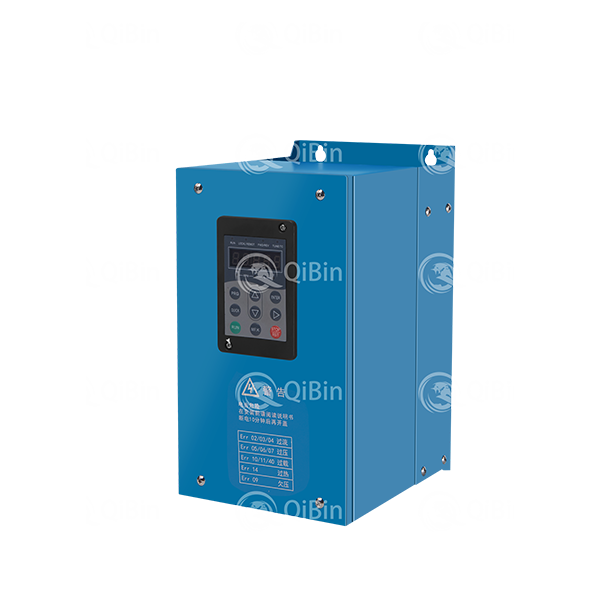
As the world increasingly shifts towards renewable energy sources, solar power continues to emerge as a leading solution for clean and sustainable electricity. Central to the effective utilization of solar energy is the solar inverter – a crucial component that converts the direct current (DC) generated by solar panels into alternating current (AC) suitable for household or commercial use. This advancement in solar technology not only ensures seamless power supply but also enhances the efficiency and safety of solar power systems.
**How Solar Inverters Work**
Solar inverters play an indispensable role in photovoltaic (PV) systems. When sunlight strikes solar panels, it produces DC electricity that is incompatible with most home appliances and the public power grid, both of which operate on AC. The solar inverter converts this DC into AC, making the solar energy usable.
Moreover, modern solar inverters are equipped with smart technology that optimizes power output and monitors system performance. They manage voltage regulation, frequency control, and grid synchronization, ensuring that the energy generated is stable and reliable. Advanced models also incorporate Maximum Power Point Tracking (MPPT), a technique that allows the inverter to continuously adjust the electrical operating point of the modules to extract maximum energy under all conditions, such as varying sunlight intensity and temperature.
**Types of Solar Inverters**
There are primarily three types of solar inverters, each suited for different applications:
1. **String Inverters**: These are the most commonly used in residential and commercial solar systems. Multiple solar panels are connected in series (string) to a single inverter. They are cost-effective and simple to install but can be affected by shading issues, as the performance of the entire string depends on the least-performing panel.
2. **Microinverters**: Installed at the panel level, microinverters convert DC to AC directly at each solar panel. This setup improves system efficiency, particularly where panels might be partially shaded or oriented in different directions. They also provide panel-level monitoring.
3. **Hybrid Inverters**: Also known as multi-mode inverters, these can manage inputs from both solar panels and battery storage systems. Hybrid inverters enable energy storage to be integrated seamlessly, allowing homes and businesses to store excess solar energy for use during outages or at night.
**Advantages of Using Solar Inverters**
The use of solar inverters brings several benefits to solar energy systems:
- **Increased Energy Efficiency**: Through MPPT and smart regulation, solar inverters maximize the amount of electricity harvested from the PV modules under different environmental conditions.
- **Grid Compatibility and Safety**: By synchronizing with the local electricity grid’s voltage and frequency, inverters ensure smooth integration, preventing potential overloads or faults.
- **Enhanced Monitoring and Maintenance**: Modern solar inverters come with built-in diagnostic tools and connectivity options that allow system owners to track performance in real-time and identify issues promptly.
- **Support for Energy Storage**: Hybrid inverters facilitate the integration of battery storage, enhancing energy independence and reliability.
**Company Introduction**
[Company Name], a leader in renewable energy solutions, has been at the forefront of solar inverter innovation for over a decade. Committed to powering a greener future, the company designs and manufactures a wide range of high-quality solar inverters tailored to diverse needs – from residential rooftops to large-scale commercial installations. With cutting-edge technology and robust engineering, [Company Name] delivers products that combine efficiency, reliability, and ease of use.
The company’s extensive portfolio includes string inverters, microinverters, and hybrid systems, all designed with intelligent features such as remote monitoring, advanced MPPT algorithms, and seamless grid integration. Dedicated to customer satisfaction and sustainability, [Company Name] also provides comprehensive support services, including system design consultancy, installation, and maintenance.
By continuously investing in research and development, [Company Name] ensures its solar inverter solutions meet evolving industry standards and empower users worldwide to harness solar energy efficiently and confidently.
**Looking Ahead: Solar Inverters and the Future of Energy**
As global energy demand grows and climate change concerns intensify, the adoption of solar power is expected to accelerate rapidly. Solar inverters will continue to play a pivotal role in this transition by making solar energy more accessible, manageable, and efficient.
Future developments in inverter technology may include greater integration with smart home systems, enhanced compatibility with emerging battery technologies, and improvements in AI-driven diagnostics and energy management. These advancements will not only optimize energy usage but also contribute to more resilient and sustainable power grids.
In conclusion, solar inverters are more than just electrical converters – they are the heart of every solar power system, ensuring that clean energy is delivered safely, efficiently, and reliably. With companies like [Company Name] pushing the boundaries of innovation, the future of solar energy looks brighter than ever. For homeowners, businesses, and communities seeking to embrace renewable energy, investing in advanced solar inverter technology is a step toward a sustainable and empowered tomorrow.